
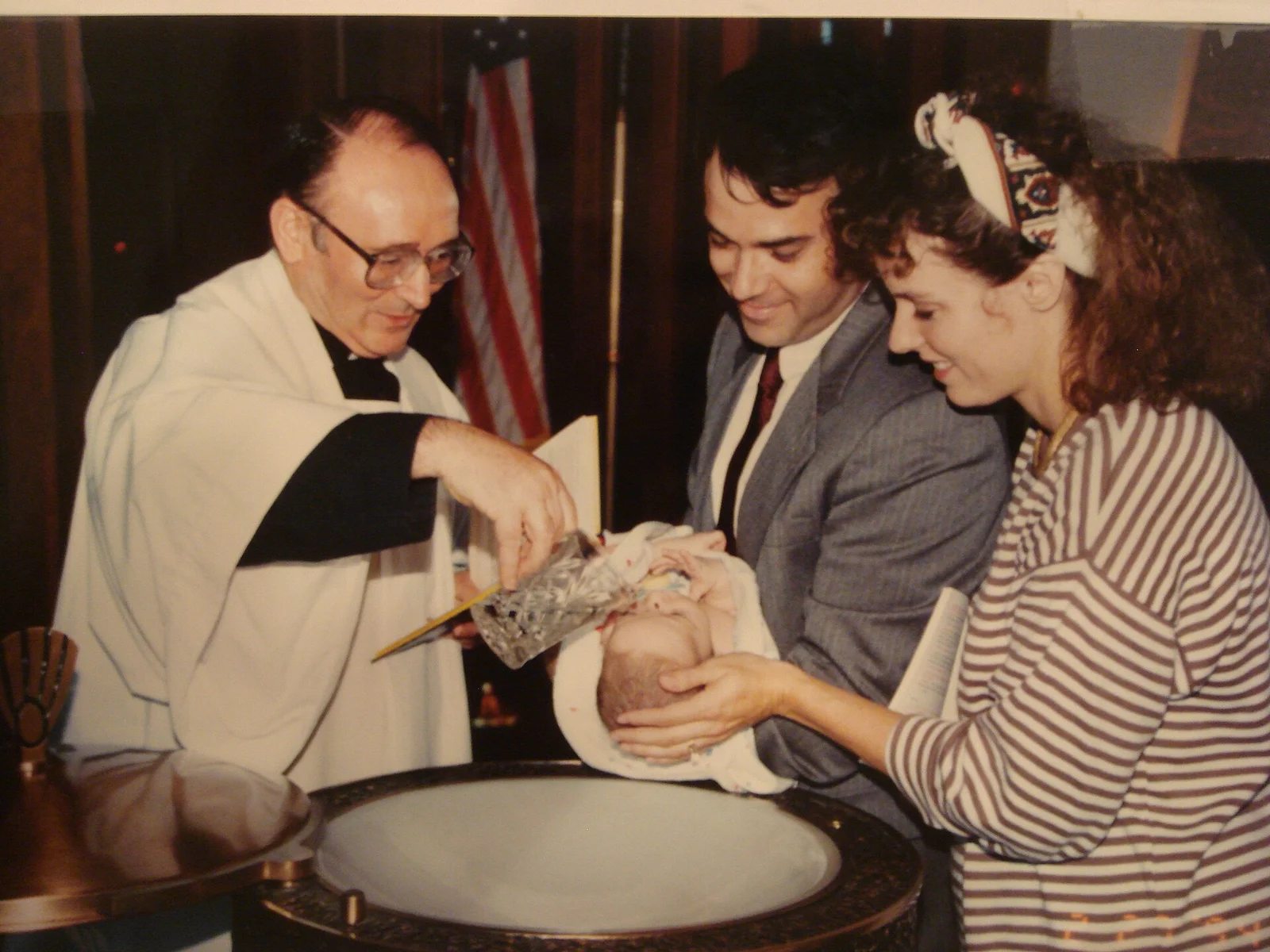
Baptism
The doorway to Christian life and the beginning of life in Christ.
NancyHeise · Public domain · Resized and cropped
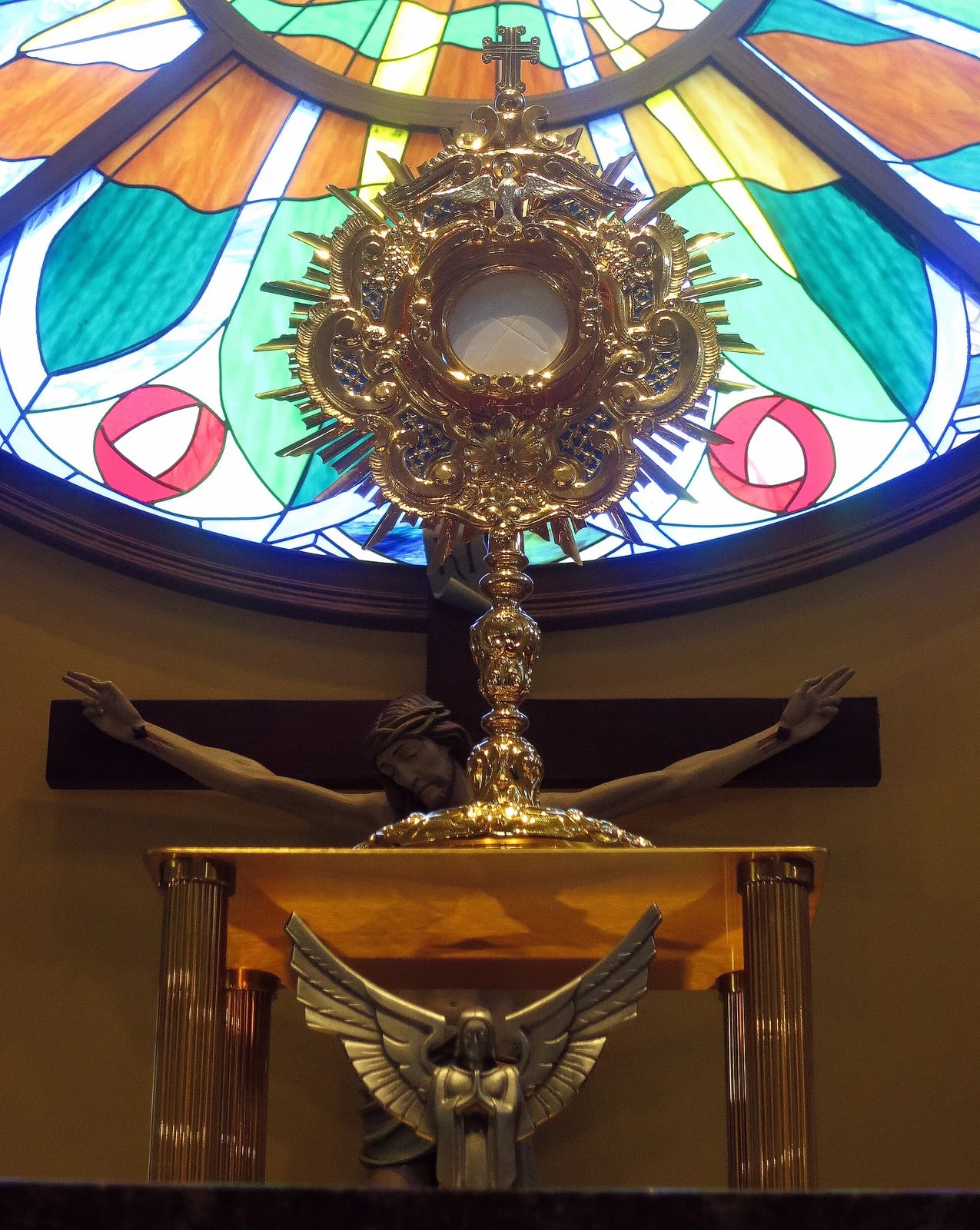
Encounters with Christ
Encounter Christ's grace through the sacramental life of the Church.
A lifelong rhythm of grace
Sacramental life is not a checklist to finish. It is a lifelong rhythm in which Christ gives grace for birth, growth, nourishment, mercy, suffering, family life, and service.
These sacraments lay the foundation of Christian life and bring us into fuller communion with Christ and the Church.
The doorway to Christian life and the beginning of life in Christ.
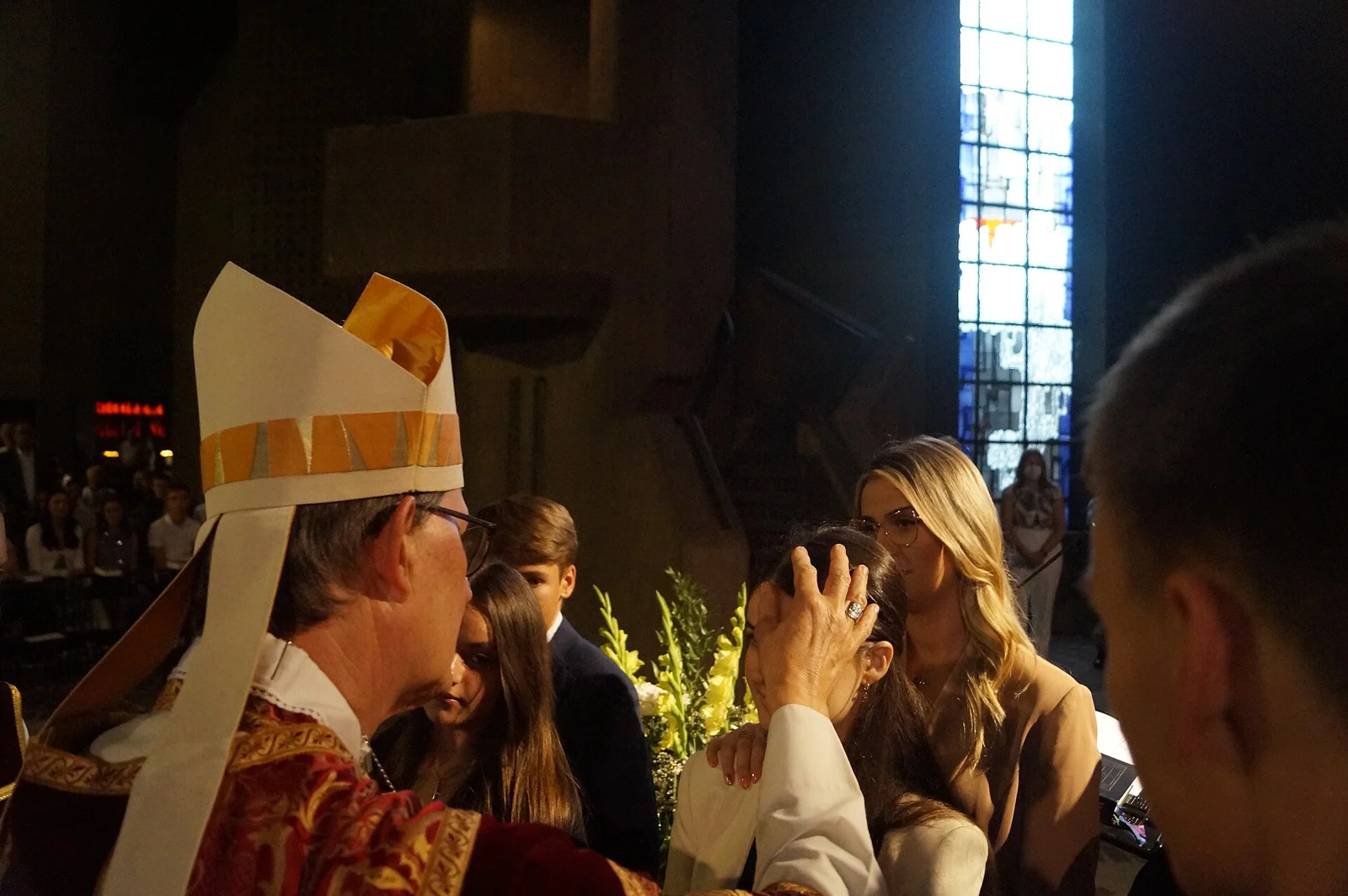
Strengthened by the Holy Spirit for witness, mission, and mature discipleship.
The source and summit of Christian life.
These sacraments bring Christ's mercy, forgiveness, strengthening, and healing to the faithful.
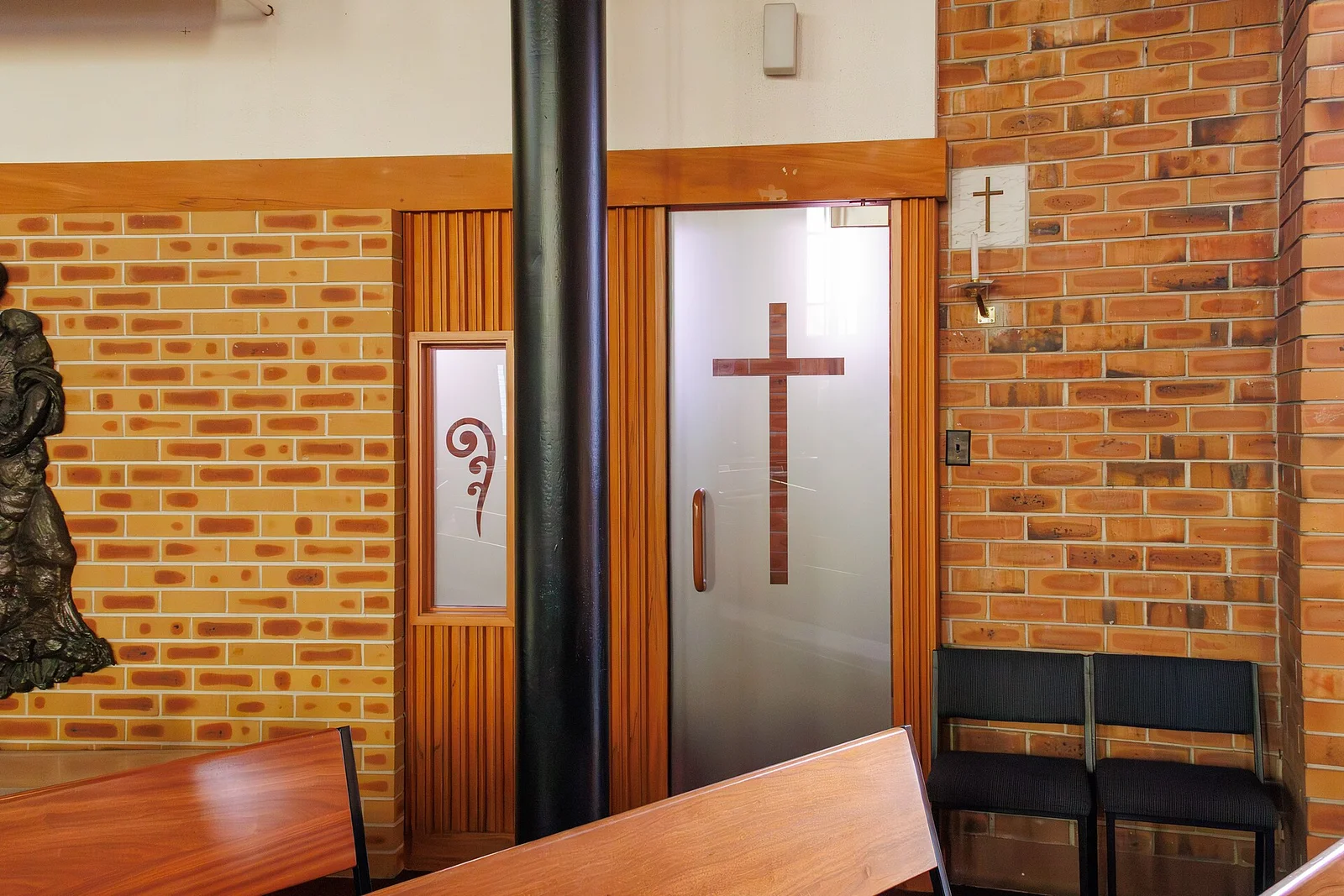
Christ's mercy restores, forgives, and reconciles us to God and the Church.
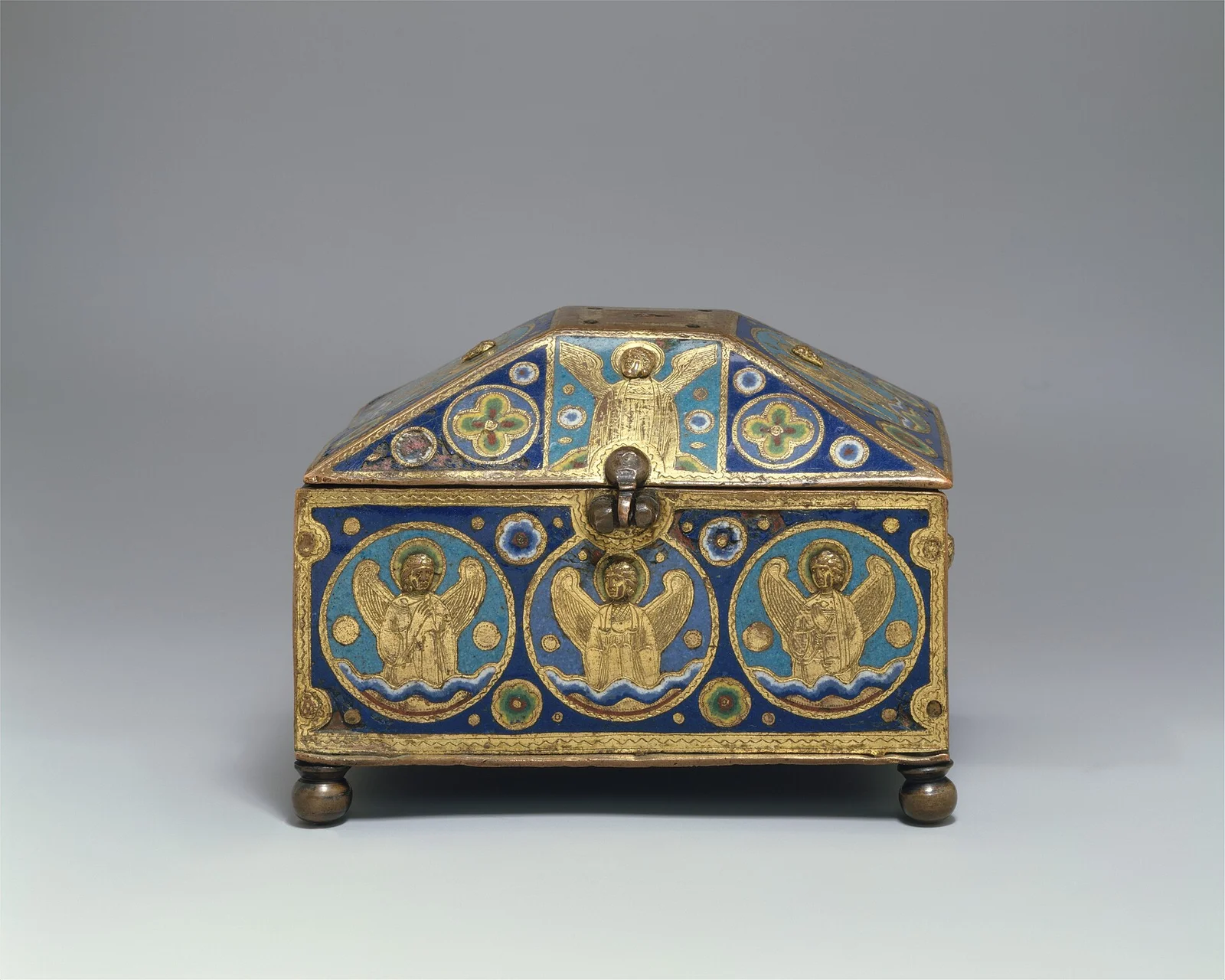
Christ strengthens, comforts, and heals the sick through the prayer of the Church.
These sacraments configure life toward service, communion, family, ministry, and the building up of the Church.
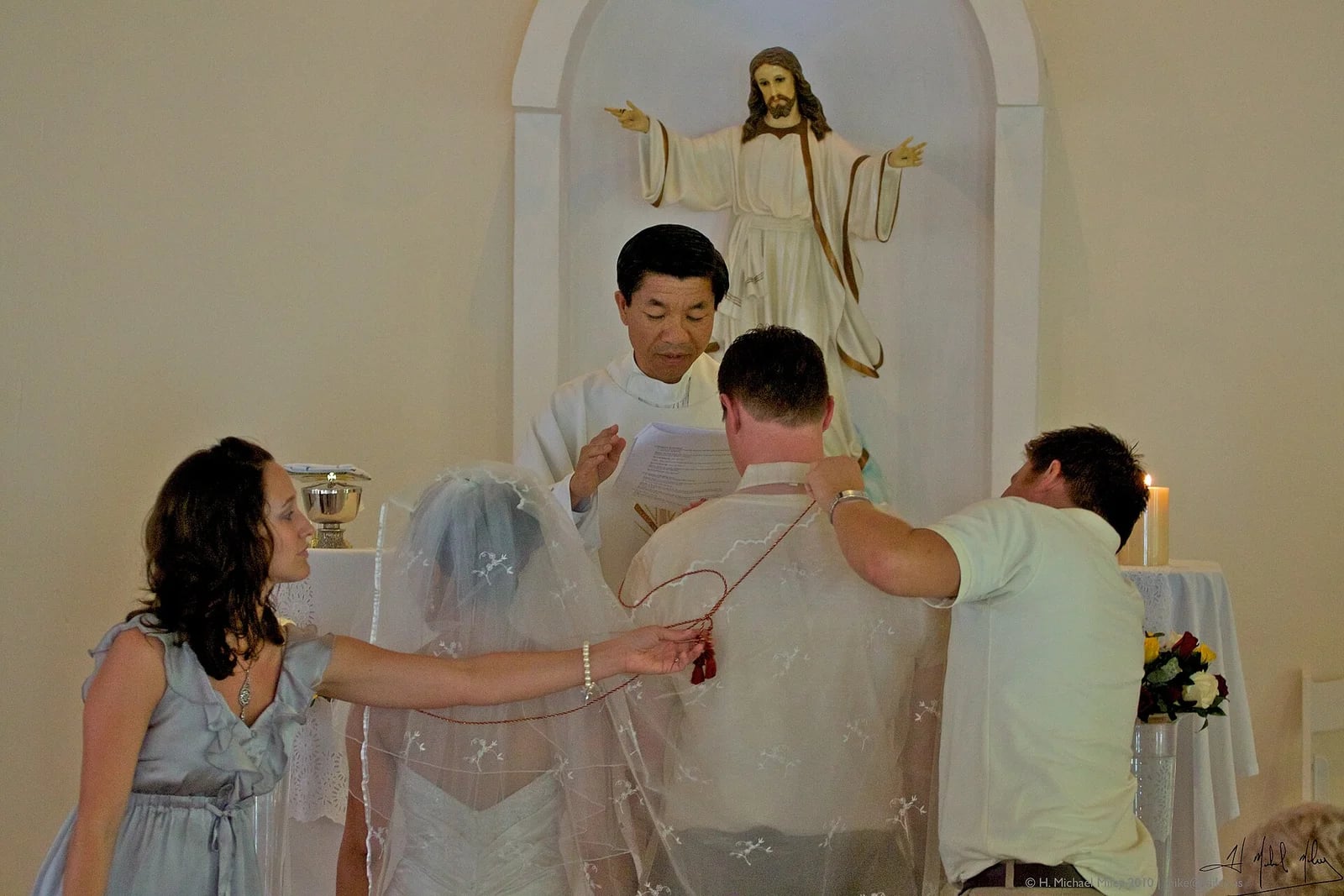
A covenant of faithful, fruitful love ordered toward the good of the spouses and the family.
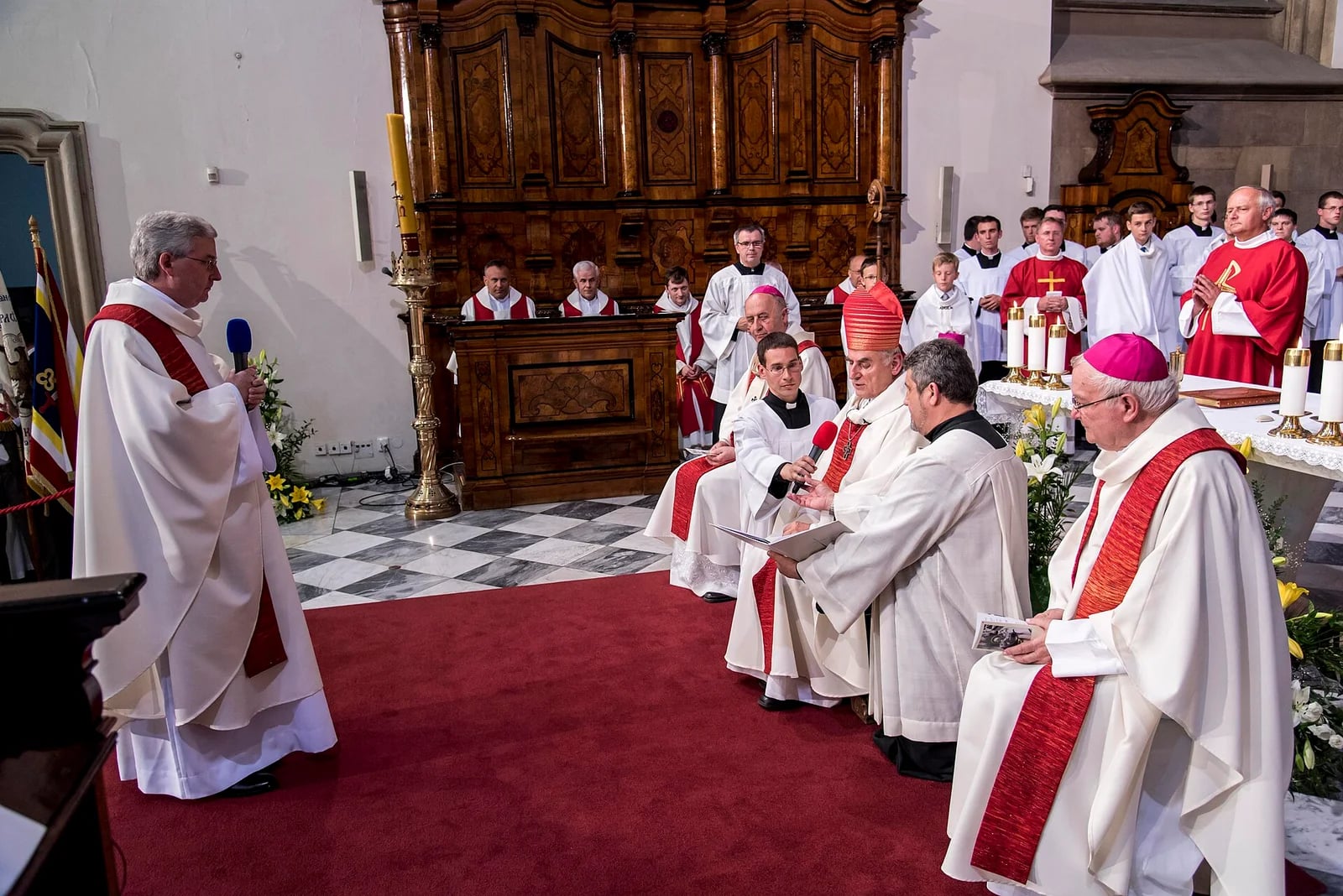
Christ serves His Church through bishops, priests, and deacons.
Your next step
Daily Oratory helps you learn and prepare prayerfully, but sacramental preparation and requirements belong to your parish and diocese.
Which Sacrament Are You Learning About?
Where Am I in My Sacramental Journey?
This tool suggests learning paths only. For sacramental readiness or eligibility, contact your parish.
Are you baptized?
Have you received First Communion?
Have you been confirmed?
Suggested next pages
This tool suggests learning paths only. For sacramental readiness or eligibility, contact your parish.
Ask Your Parish
Gifts, not achievements
What Are the Sacraments?
The sacraments are visible signs of invisible grace. Through them, Christ acts in His Church to give grace, forgive sins, strengthen faith, unite us to His Body, and form us for holiness and mission.
New birth in Christ, forgiveness of sin, and adoption as a child of God.
Ordinary minister: Usually a bishop, priest, or deacon; in necessity, any person with proper intention can baptize.
The seal and strengthening of the Holy Spirit for witness and mission.
Ordinary minister: Ordinarily a bishop; priests may confirm in certain circumstances according to Church law.
Union with Christ in Holy Communion and deepening participation in His sacrifice and life.
Ordinary minister: A validly ordained priest or bishop consecrates the Eucharist; Communion is ordinarily distributed by clergy and, where permitted, designated ministers.
Forgiveness, reconciliation, healing, and restored communion with God and the Church.
Ordinary minister: A priest with faculties to hear confessions and absolve.
Strength, peace, healing according to God's will, and union with Christ in suffering.
Ordinary minister: A bishop or priest.
Grace for faithful covenant love, family life, sacrifice, forgiveness, and holiness in marriage.
Ordinary minister: In the Latin Church, the spouses minister the sacrament to one another; clergy receive the vows in the name of the Church.
Sacramental configuration for ecclesial service, preaching, worship, and pastoral charity.
Ordinary minister: A bishop.
Faith at home
Family Sacramental Home Guide
Family practices should support, not replace, participation in the liturgy, parish life, and the sacraments themselves.
Sacraments and the Church Fathers
The early Church Fathers give powerful witness to Baptism, the Eucharist, Confession, bishops, Christian marriage, prayer for the sick, and apostolic tradition. They help Catholics see continuity between the early Church and sacramental life today.
Sacraments and Devotions
Meditate on Christ's mysteries and remain close to His sacramental life.
Deepen love for the Eucharist through silence and worship.
Ask for conversion, reparation, and frequent confession.
Grow in trust and return to reconciliation.
Pray for family life, fatherhood, work, and vocation.
Unite prayer for the dead with the Eucharist and indulgences.
Learn with confidence
FAQ Hub
The Church recognizes seven sacraments instituted by Christ and handed on in apostolic tradition. Together they accompany Christian life from new birth to mission, healing, service, and communion.
Grace is God's free and undeserved help that heals, strengthens, forgives, and draws us into His own life. The sacraments are privileged channels of this grace.
A sacrament is instituted by Christ and truly gives sacramental grace in the life of the Church. A sacramental is a sacred sign established by the Church to dispose the faithful to grace and sanctify daily life.
Start simply. Contact a parish, attend Sunday Mass, and speak with a priest or parish staff member about confession, sacramental history, or any next steps you are unsure about.
Contact the parish where the sacrament was celebrated. If you are unsure, a parish office or diocesan office may help you begin the search.
Preparation requirements vary, and the parish or diocese is responsible for guiding that process. Daily Oratory supports prayerful learning but does not replace local formation.


